
Reverse Engineering Proprietary Havoc Engine File Formats
← back to blog
Category: Forensics / Reverse Engineering
Difficulty: Hard
Points: 500
Author: muffin
Download: Challenge Files
Description
She is not of Lordran’s timelines, nor any world scholars recall. An unbound Firekeeper caught between files that refuse to load and geometry that rejects her shape, as if she were written into existence and erased in the same breath.
Only fragments of her remain, scattered through the wreckage of an unfinished realm:
Those who examined the fragments recall a single whisper threaded through all anomalies:
“To restore her, trace the fragments. All three converge where the last bonfire never burned.”
Ashen Shard
A brittle sliver from a world that failed to load. A silhouette flickers within it, suspended between one form and the next. It remembers where she once stood, though the world does not.
Cinder of the Rogue Machine
A smoldering ember taken from a dormant construct. It mutters in recursive tones, as if trying to recall a name long lost. It burns not with flame, but with computation.
Bone of the Lost Reflection
A pale remnant from a body that never fully resolved. Its surface trembles with faint afterimages of a kneeling figure. Some say it holds her final memory.
Objective
Recover the three fragments hidden across the provided materials. Reconstruct the forgotten path of the unbound Firekeeper. Assemble the final key where a bonfire should have been, but never was.
Solution
PART-1
Challenge: We are given a Havoc Engine dump file. Objective: Locate the Firekeeper.
Initial Analysis
We are provided with a large set of files from the game dump. To start, it’s crucial to understand and reverse-engineer the Havoc Engine and how it loads the game’s proprietary formats.
FromSoftware uses custom, proprietary files for game data. As a result, traditional tools may not work directly, and you’ll often need your own utilities to parse or modify these files.
Notes:
- Tutorials for Dark Souls Map Studio generally apply to Smithbox, although some UI elements and workflows have changed.
- Older tutorials use Yabber, which is now outdated and may cause problems. Instead, you should use WitchyBND, which works similarly for most users.
Modding Considerations
It’s important to note that FromSoftware games were never designed to be modded.
There are primarily two types of mods that can be loaded via mod loaders: DLL mods and file replacement mods.
DLL Mods
-
Contain primarily a
.dllfile. -
May also include configuration files (
.ini) or other required resources. -
Modify game memory directly, enabling effects that file replacement mods cannot achieve.
-
Example: Seamless Co-op.
- Although it has its own folder and launcher, it can still be loaded via mod loaders alongside other mods.
File Replacement Mods
-
Consist of modified versions of the game’s internal files.
-
Common files and folders involved:
regulation.bin,data0.bdt- Directories:
chr,parts,map,event,msg,menu,script,param
-
These mods replace in-game assets or behavior without directly modifying memory.
Approach
-
Explore the dump:
- Identify file types relevant to the Firekeeper (maps, characters, events).
-
Reverse Havoc Engine formats:
- Understand how
.bdt,.param,.eventand other proprietary files are loaded.
- Understand how
-
Use proper tools:
- WitchyBND for extracting and modifying BND archives.
- Smithbox for map-related analysis.
-
Locate the Firekeeper:
- Track character spawn data, event scripts, and map files to pinpoint her location.
Understanding file structure for file replacement mods
This is one of the most critical aspects of using mods, and something that many users get wrong.
Basically, all mod loaders expect the mod files that you add to be in a very specific structure, which mirrors the same structure used internally by the game.
For example, below are screenshots of Clever’s Moveset Modpack being added both correctly and incorrectly to the Mod Engine 2 “mod” folder. This example is applicable to any other mod loader and game, not just ME2 and Elden Ring
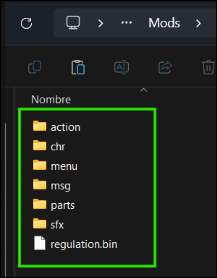
This is correct and will work, because all these folders and the regulation.bin file are things that the mod loader is looking for, being part of the game’s internal file structure, and they are placed directly in the “mod” folder. In the case of ME3, it would be the equivalent “eldenring-mods” folder by default.
Before starting it it’s important to identify what Game version the files are in ie # How to Identify the Game Version (Patch) a Mod Uses
| Category | Parameter | Description |
|---|---|---|
| Game Parameters | AIStandardInfoBank | Determines the parameters for enemy AI |
| AtkParam | Determines hitbox and damage parameters for attacks | |
| BehaviorParam | Determines behavior parameters for triggering projectiles and attacks | |
| Bullet | Determines parameters of projectiles | |
| CalcCorrectGraph | Handles value curve functions for various mechanics | |
| CharaInitParam | Determines loadout parameters for Armored Core type characters | |
| CoolTimeParam | Determines cooldowns (abilities, actions, etc.) | |
| EnemyBehaviorBank | Parameters for enemy behavior and collision | |
| EquipMtrlSetParam | Material costs for various transactions | |
| EquipParamAccessory | Parameters for accessories | |
| EquipParamGoods | Parameters for goods | |
| EquipParamProtector | Parameters for equipment/armor | |
| EquipParamWeapon | Defines weapon types and affinities; affects scaling on consumables; special effects can be modified via ReinforceParamWeapon | |
| FaceGenParam | Configuration of NPC faces | |
| GameAreaParam | Determines soul and humanity drops upon boss victories | |
| HitMtrlParam | Parameters applied when hitting various materials | |
| ItemLotParam | Determines contents of treasures and item rewards | |
| KnockBackParam | Parameters relating to knockback | |
| LevelSyncParam | Parameters for level synchronization | |
| LockCamParam | Parameters for player cameras | |
| Magic | Configuration of magic spells | |
| MenuColorTableParam | Coloring used for various interface elements | |
| MoveParam | Parameters for movement | |
| NpcParam | Parameters for enemy characters | |
| NpcThinkParam | Parameters for enemy AI thinking/decision making | |
| ObjActParam | Parameters for object interactions | |
| ObjectParam | Parameters for objects | |
| QwcChange | Parameters for world tendency changes | |
| QwcJudge | Parameters for world tendency effects | |
| RagdollParam | Parameters for ragdolls | |
| ReinforceParamProtector | Parameters for reinforcing armor | |
| ReinforceParamWeapon | Parameters for reinforcing weapons | |
| ShopLineupParam | Parameters for shops | |
| SkeletonParam | Parameters for character skeleton and foot IK | |
| SpEffectParam | Parameters for special effects | |
| SpEffectVfxParam | Parameters for particles triggered via SpEffect | |
| TalkParam | Parameters for character dialogues | |
| ThrowParam | Parameters for throws | |
| WhiteCoolTimeParam | Parameters for friendly phantoms cooldowns | |
| Graphical Parameters | DofBank | Parameters for depth of field assignments |
| EnvLightTexBank | Parameters for environmental lighting textures | |
| FogBank | Parameters for fog volumes | |
| LensFlareBank | Parameters for lens flares | |
| LensFlareExBank | Parameters for lens flares | |
| LightBank | Parameters for light maps | |
| LightScatteringBank | Parameters for light scattering | |
| LodBank | Parameters for levels of detail | |
| PointLightBank | Parameters for point lights | |
| ShadowBank | Parameters for shadow maps | |
| ToneMapBank | Parameters for tone maps |
First, start by unpacking the game using UXM. UXM allows you to patch the executable so the game can load loose files instead of reading directly from the packed archives. This is crucial because it enables file-level modding without permanently altering the original archives. After downloading UXM from its GitHub repository, select the game you want to mod (DS1, DS2, SotFS, DS3, or Sekiro) and let UXM unpack all game assets into a folder. The tool will also automatically patch the game executable, so it references the unpacked loose files during runtime.
Once the game is unpacked, the next step is to inspect and edit the PARAM files using WitchyBND. WitchyBND is specifically designed to handle FromSoftware’s archive formats, allowing you to unpack and repack .bnd and .parambnd files. Open WitchyBND, load the relevant .parambnd files from the unpacked game folder, and explore the various PARAM tables such as AtkParam, MoveParam, EquipParamWeapon, or NpcParam. Each table corresponds to different gameplay mechanics—attacks, movement, weapon properties, enemy behaviors, and so on. You can modify numeric values, affinities, cooldowns, or other parameters directly within the tool.
After making edits, you need to repack the PARAM files with WitchyBND so the game can read your modified values. It’s important to always back up the original PARAM files before making changes, in case anything breaks. Start by testing small modifications, such as adjusting one weapon’s stats or a single enemy parameter, to ensure the changes work as intended. Once you verify your edits, you can expand to more comprehensive adjustments, gradually customizing gameplay mechanics according to your design goals.
This workflow—unpacking with UXM, editing with WitchyBND, and repacking for testing creates a clean and manageable process for modding. The table of PARAM descriptions you prepared earlier serves as a quick reference for identifying which parameters to modify and which to leave untouched, helping you avoid unintended side effects while modding complex systems like AI behavior, weapon affinities, or environmental effects.
This method allows you to force object textures to load in any map for both PTDE and Remastered editions of Dark Souls. Normally, objects like bonfires or corpses already exist in multiple maps, so this technique isn’t required for them. However, for objects that appear in only one map and usually grab textures from that specific map rather than their own .bnd, this method ensures that they display correctly in other locations. Be aware that this process is a bit tedious and requires careful handling of multiple files.
Before you start, you will need the following tools: Yabber (for unpacking/repacking .bnd and .tpf files), a Flver Editor (for viewing and editing .flver model files), and the unpacked game files. Make sure you have these ready.
Start by locating the .objbnd file of the object you want to modify inside the \obj\ folder of the unpacked game files. Use Yabber to unpack it, then locate the .flver model file for the object within the unpacked folder. Open this .flver file in the Flver Editor, and in the FLVER Bones window, click on “Material.”
Select the material in the first index [0] and click “Edit” to open the material quick editor window. Here, you will usually see three texture paths corresponding to the diffuse, specular (_s), and bump map (_n) textures. The paths indicate which map folder the textures are stored in, e.g., \m10\, \m11\, etc.
Next, navigate to the \map\ folder in the unpacked game files and locate the folder corresponding to the map that contains the textures you want. Within this folder, textures are stored inside .tpfbhd archives labeled like mXX_000X.tpfbhd. Unpack all relevant .tpfbhd files, then search for the .tpf files referenced in your material paths (note that these are .tpf, not .tga). Repeat this process for each material index on your model, as some models use multiple materials.
Once all necessary .tpf files are extracted, create a new folder to consolidate them. It’s helpful to name this folder after your object for organization. For each additional extracted folder, copy the .dds files into your new .tpf folder. Then, open the _yabber-tpf.xml file from each source folder, copy the segment between <texture> and </texture>, and paste it into your new .xml file inside the <textures> section, immediately after the last texture entry.
After combining all textures and XML entries, move your new .tpf folder, containing both the .dds files and the updated .xml, into the .objbnd folder alongside the .flver model file. Use Yabber to repack this folder into a .tpf or .tpf.dcx file. For Remastered editions, convert .tpf.dcx back into a plain .tpf using Yabber DCX.
Finally, edit the _yabber-bnd3.xml for the .objbnd and add your new .tpf file, making sure its ID is set to 100, as this is required for it to work correctly. Repack the .objbnd with Yabber and test it in-game. If done correctly, the object should now load its textures in any map.
Now onto the main DS-MAP Studio
Now we’ll use dnSpy to reverse engineer the mod loader so we can adapt it for our custom map. Since advanced techniques like DLL injection into the PTSR Havoc engine or creating a modloader.ini are beyond the scope of this writeup, we’ll focus on directly modifying the existing map studio executable instead.
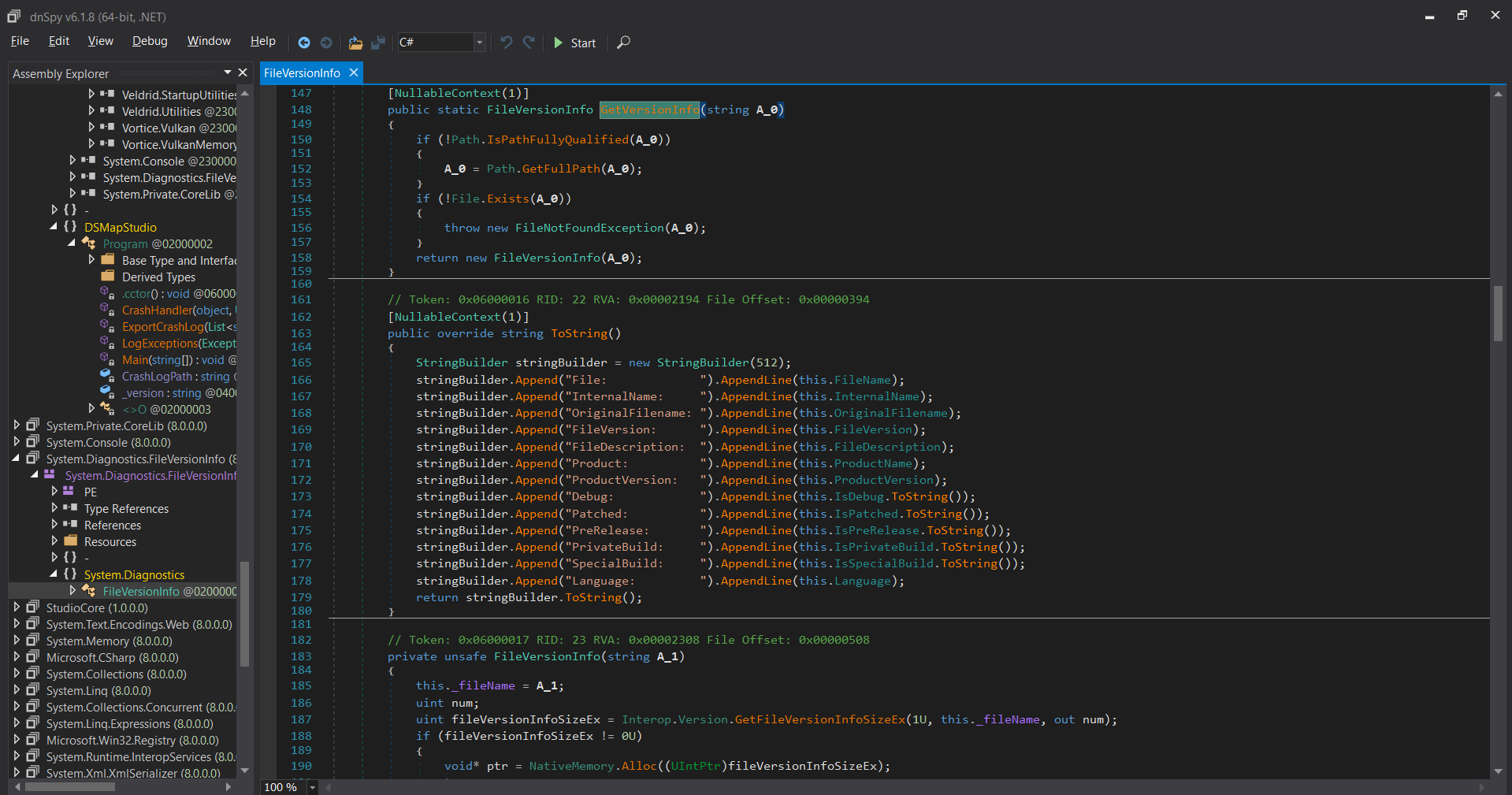
dnSpy is a powerful .NET debugger and decompiler commonly used in reverse engineering CTF challenges to inspect, edit, and recompile compiled .exe files built with C#. It allows us to open the target executable, decompile it into readable C# code, and explore its internal logic—such as how it loads maps or verifies inputs. Using dnSpy, we can identify and edit key functions that control map loading or validation, patch conditions to always succeed, and embed our own custom behavior. Once modified, dnSpy lets us recompile and save the patched binary, effectively turning the original map studio into a customized mod loader that supports our own maps without external injection or configuration files.
The function CheckProgramUpdate() is responsible for checking for new releases of DSMapStudio by querying GitHub. It creates a GitHubClient instance, fetches the latest release from the soulsmods/DSMapStudio repository, extracts the version number from the tag, and compares it against the local version stored in this._version. If the remote version is newer, it sets _programUpdateAvailable to true and stores the release URL, which later triggers an update prompt inside the application. For a customized or offline build, this behavior is unnecessary and can cause unwanted network requests or popups.
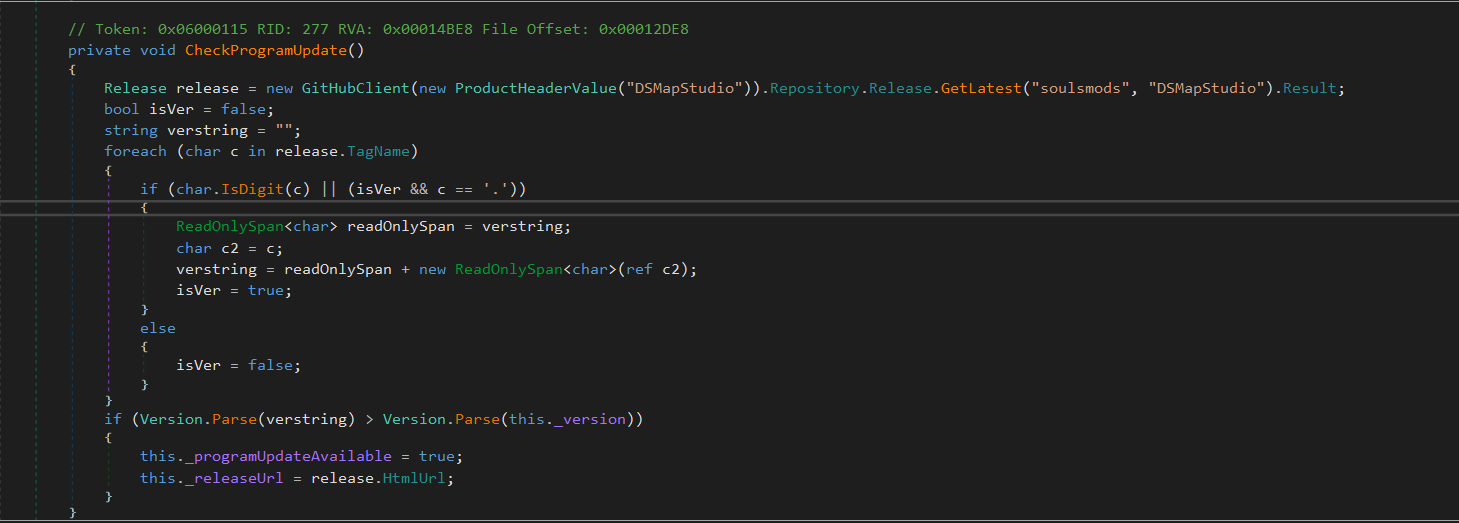
To disable this check, we can patch the method using dnSpy. After opening the executable in dnSpy, navigate to the method under its containing class, right-click it, and select Edit Method (C#). We then replace the entire body of the function with a minimal stub that does nothing. For example:
private void CheckProgramUpdate() { return; }
This patch ensures that the method exits immediately without performing any network calls or version comparisons. Alternatively, you can explicitly set the update variables to safe defaults:
Also GameNotUnpackedWarning is a function that checks that is the custom mod , (Dark Souls 1 PTDE unpacking check)
		// Token: 0x0600002F RID: 47 RVA: 0x00003054 File Offset: 0x00001254
		public AssetDescription GetMapMSB(string mapid, bool writemode = false)
		{
			AssetDescription ad = new AssetDescription();
			ad.AssetPath = null;
			if (mapid.Length != 12)
			{
				return ad;
			}
			string preferredPath;
			string backupPath;
			if (this.Type == GameType.DarkSoulsIISOTFS)
			{
				DefaultInterpolatedStringHandler defaultInterpolatedStringHandler = new DefaultInterpolatedStringHandler(9, 2);
				defaultInterpolatedStringHandler.AppendLiteral("map\\");
				defaultInterpolatedStringHandler.AppendFormatted(mapid);
				defaultInterpolatedStringHandler.AppendLiteral("\\");
				defaultInterpolatedStringHandler.AppendFormatted(mapid);
				defaultInterpolatedStringHandler.AppendLiteral(".msb");
				preferredPath = defaultInterpolatedStringHandler.ToStringAndClear();
				defaultInterpolatedStringHandler = new DefaultInterpolatedStringHandler(9, 2);
				defaultInterpolatedStringHandler.AppendLiteral("map\\");
				defaultInterpolatedStringHandler.AppendFormatted(mapid);
				defaultInterpolatedStringHandler.AppendLiteral("\\");
				defaultInterpolatedStringHandler.AppendFormatted(mapid);
				defaultInterpolatedStringHandler.AppendLiteral(".msb");
				backupPath = defaultInterpolatedStringHandler.ToStringAndClear();
			}
			else if (this.Type == GameType.Bloodborne && mapid.StartsWith("m29"))
			{
				DefaultInterpolatedStringHandler defaultInterpolatedStringHandler = new DefaultInterpolatedStringHandler(27, 2);
				defaultInterpolatedStringHandler.AppendLiteral("\\map\\MapStudio\\");
				defaultInterpolatedStringHandler.AppendFormatted(mapid.Substring(0, 9));
				defaultInterpolatedStringHandler.AppendLiteral("_00\\");
				defaultInterpolatedStringHandler.AppendFormatted(mapid);
				defaultInterpolatedStringHandler.AppendLiteral(".msb.dcx");
				preferredPath = defaultInterpolatedStringHandler.ToStringAndClear();
				defaultInterpolatedStringHandler = new DefaultInterpolatedStringHandler(23, 2);
				defaultInterpolatedStringHandler.AppendLiteral("\\map\\MapStudio\\");
				defaultInterpolatedStringHandler.AppendFormatted(mapid.Substring(0, 9));
				defaultInterpolatedStringHandler.AppendLiteral("_00\\");
				defaultInterpolatedStringHandler.AppendFormatted(mapid);
				defaultInterpolatedStringHandler.AppendLiteral(".msb");
				backupPath = defaultInterpolatedStringHandler.ToStringAndClear();
			}
			else if (this.Type == GameType.DarkSoulsPTDE || this.Type == GameType.DarkSoulsRemastered || this.Type == GameType.DemonsSouls)
			{
				preferredPath = "\\map\\MapStudio\\" + mapid + ".msb";
				backupPath = "\\map\\MapStudio\\" + mapid + ".msb.dcx";
			}
			else if (this.Type == GameType.Bloodborne || this.Type == GameType.DarkSoulsIII || this.Type == GameType.EldenRing || this.Type == GameType.Sekiro)
			{
				preferredPath = "\\map\\MapStudio\\" + mapid + ".msb.dcx";
				backupPath = "\\map\\MapStudio\\" + mapid + ".msb";
			}
			else
			{
				preferredPath = "\\map\\MapStudio\\" + mapid + ".msb.dcx";
				backupPath = "\\map\\MapStudio\\" + mapid + ".msb";
			}
			if ((this.GameModDirectory != null && File.Exists(this.GameModDirectory + "\\" + preferredPath)) || (writemode && this.GameModDirectory != null))
			{
				ad.AssetPath = this.GameModDirectory + "\\" + preferredPath;
			}
			else if ((this.GameModDirectory != null && File.Exists(this.GameModDirectory + "\\" + backupPath)) || (writemode && this.GameModDirectory != null))
			{
				ad.AssetPath = this.GameModDirectory + "\\" + backupPath;
			}
			else if (File.Exists(this.GameRootDirectory + "\\" + preferredPath))
			{
				ad.AssetPath = this.GameRootDirectory + "\\" + preferredPath;
			}
			else if (File.Exists(this.GameRootDirectory + "\\" + backupPath))
			{
				ad.AssetPath = this.GameRootDirectory + "\\" + backupPath;
			}
			ad.AssetName = mapid;
			return ad;
		}
Patched Version:
private bool GameNotUnpackedWarning(GameType gameType)
{
    // Patch: Skip check for Dark Souls 1 PTDE (for custom map development)
    if (gameType == GameType.DarkSoulsPTDE)
    {
        return true; // Allow operation without warning
    }

    // Keep original check for DS2:SOTFS
    if (gameType == GameType.DarkSoulsIISOTFS)
    {
        TaskLogs.AddLog(
            $"The files for {gameType} do not appear to be unpacked. Please use UXM for DS2 to unpack game files",
            LogLevel.Error,
            TaskLogs.LogPriority.High,
            null
        );
        return false;
    }

    TaskLogs.AddLog(
        $"The files for {gameType} do not appear to be fully unpacked. Functionality will be limited. Please use UXM selective unpacker to unpack game files",
        LogLevel.Warning,
        TaskLogs.LogPriority.Normal,
        null
    );
    return true;
}
Remove All Checks for DS1
private bool GameNotUnpackedWarning(GameType gameType)
{
    // Patch: Bypass unpacking checks for custom DS1 map development
    if (gameType == GameType.DarkSoulsPTDE)
    {
        return true;
    }

    // Original code for other games
    bool flag = gameType == GameType.DarkSoulsIISOTFS;
    if (flag)
    {
        TaskLogs.AddLog(
            $"The files for {gameType} do not appear to be unpacked. Please use UXM for DS2 to unpack game files",
            LogLevel.Error,
            TaskLogs.LogPriority.High,
            null
        );
        return false;
    }

    TaskLogs.AddLog(
        $"The files for {gameType} do not appear to be fully unpacked. Functionality will be limited. Please use UXM selective unpacker to unpack game files",
        LogLevel.Warning,
        TaskLogs.LogPriority.Normal,
        null
    );
    return true;
}
This will let our custom DS1 map work without the unpacking requirement .
Another function we need to look out for is
// Token: 0x060003F8 RID: 1016 RVA: 0x00033C94 File Offset: 0x00031E94
		private void LoadVParamsDS1()
		{
			this.LoadParamsDS1FromFile(this.AssetLocator.GameRootDirectory + "\\param\\GameParam\\GameParam.parambnd");
			if (Directory.Exists(this.AssetLocator.GameRootDirectory + "\\param\\DrawParam"))
			{
				foreach (string p in Directory.GetFiles(this.AssetLocator.GameRootDirectory + "\\param\\DrawParam", "*.parambnd"))
				{
					this.LoadParamsDS1FromFile(p);
				}
			}
		}
private void LoadVParamsDS1()
{
// Params not needed for custom map development
}The simplest approach is just returning immediately - this completely bypasses all param loading without any checks or error handling. This is typically what you want for custom map development where params aren’t required. Map studio operates on top of something I call mod projects. These are typically stored in a separate directory from the base game, and all modifies files will be saved there instead of overwriting the base game files. The intended workflow is to install mod engine for your respective game and set the modoverridedirectory in modengine.ini to your mod project directory. This way you don’t have to modify base game files (and work on multiple mod projects at a time) and you can easily distribute a mod by zipping up the project directory and uploading it.
Moving Forward: Editing the Maps With the technical barriers removed, we are now ready to start actual map editing work. The map system is my gateway to working with Dark Souls 1’s level files - it handles locating and loading the MapStudio Binary files that contain all the map data.
On why we use DS mapstudio for solving this instead of something like unity to see assets ?
the bindings of Unity data structures to Souls ones grew very messy and buggy, and led to a very unintuitive user experience (i.e. most users can’t intuitively know what Unity operations are actually supported by DSTools for export). Unity also doesn’t provide sufficiently low level APIs for many of its useful subsystems like its lightmapper and navmesh generator, so making these subsystems work for Dark Souls range from painful to impossible
Also reading the file formatter for HAVOC we get , we get a diagram of the loader pipeline
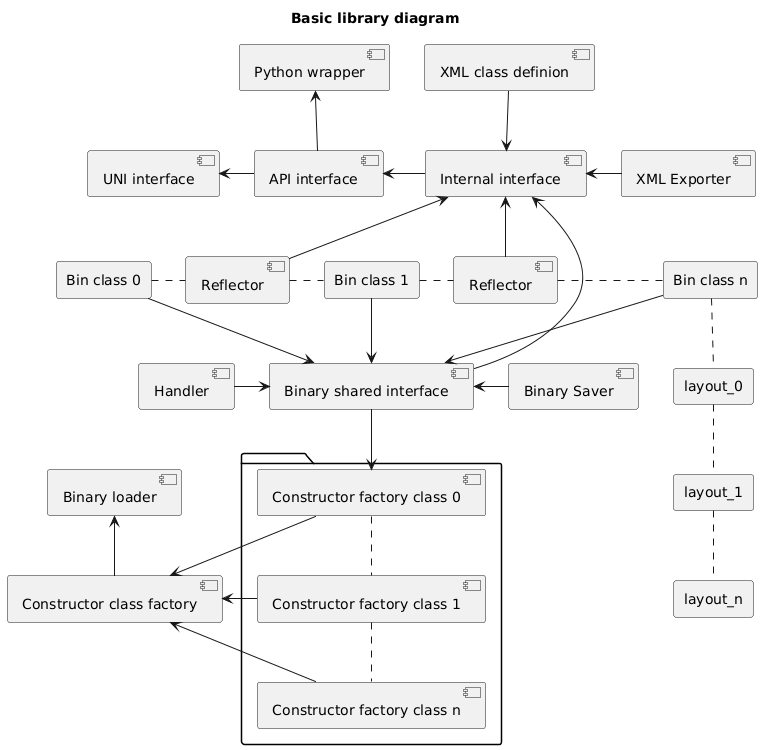
Supported XML classes
hkRootLevelContainer hkaAnimationContainer hkaSkeleton hkaAnnotationTrack hkaInterleavedAnimation hkaAnimationBinding hkxEnvironment
Python wrapper classes
hkRootLevelContainer hkaAnimationContainer hkaSkeleton hkxEnvironment
Binary export classes (v5 - v2014)
hkRootLevelContainer (read-only) hkaAnimationContainer (read-only) hkaSkeleton (read-only) hkxEnvironment (read-only) hkNamedVariant hkaPartition
This is to understand what the GAME dump means to annotate and see what sections and options to be checked for , also we’d need a pugin to display the model GIZMOS , A map and model viewer for NinjaBlade/DeS/DS1/DS2/DS3/Bloodborne preferability for fucntions like FLVER Model Parsing , MSB Map Layout Parsing , TPF / TPFBHD Texture Pack Parsing , PS4 Texture Headerization , DX11 Texture Support Patch to MonoGame, Binder & DCX Container Parsing , HKX Collision Parsing(collision meshes, ragdoll setups, and physics constraints) ,
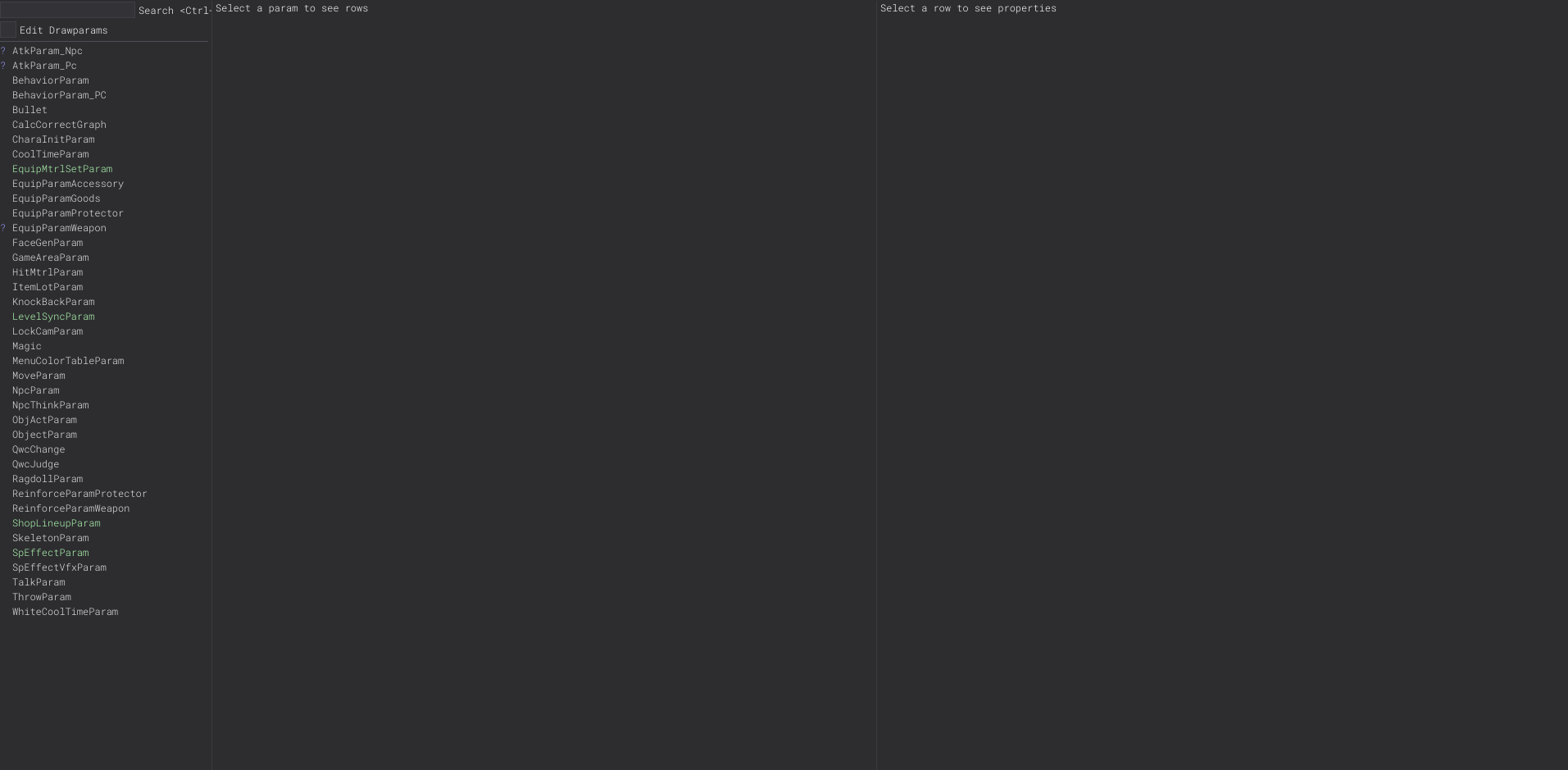
Since we dont know what model id refers to the Firekeeper model , we can see the Drawparams which takes arguments and passes it into the model’s
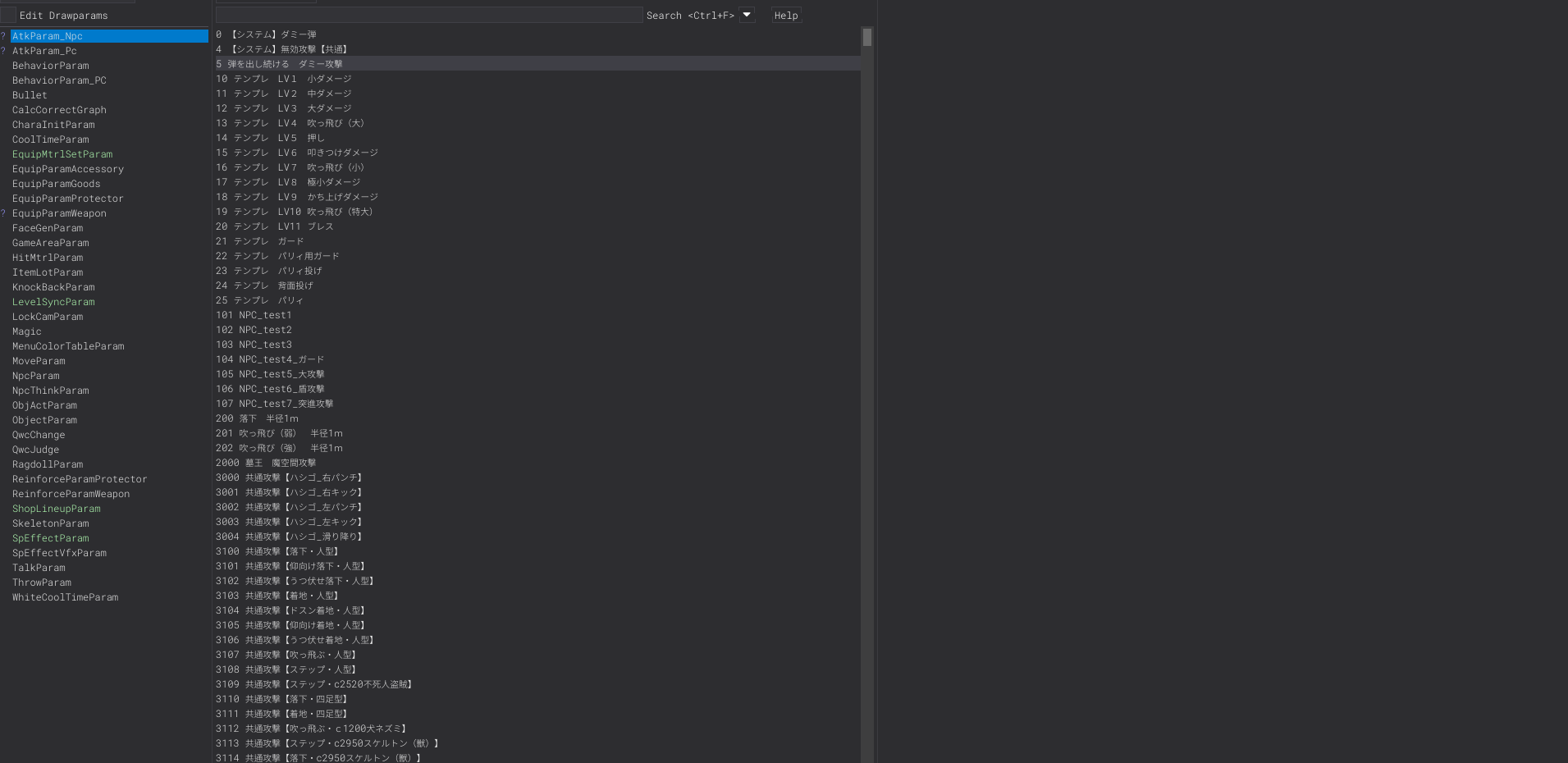
The text is in japaneese so are the original functions in . so we have to refer a Language dump online for Darksouls 1 and get the charIDred as reference , The reason why we are doing this is , NPc’s have interaction navmeshes (to put it simply) Simple in theory, but it does seem painful to get right. I use A* to identify the nodes (individual polygons), then used the funnel algorithm to actually map out the detailed path NAVMESH
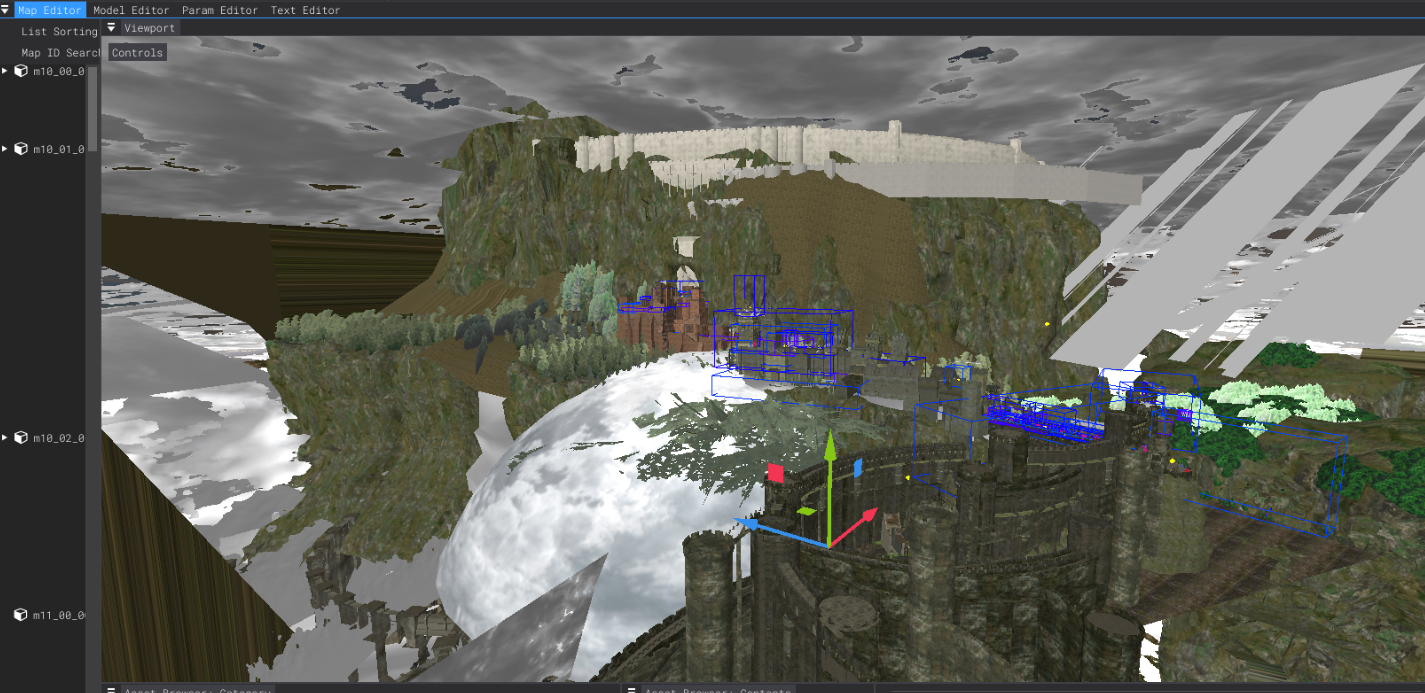
After cross referencing we get to the mappeice which has the asset , we we are doing this is because NPC’s have set game flags to move from one location to anbother and they behave as different entities depending on the flag bits set to them . In order to avoid the hassble FROMSOFTWARE uses multiple ID’s but refer them under the game AI for the template charectarestics .
Now lets start looking at the model editor to see for NPC’s : )
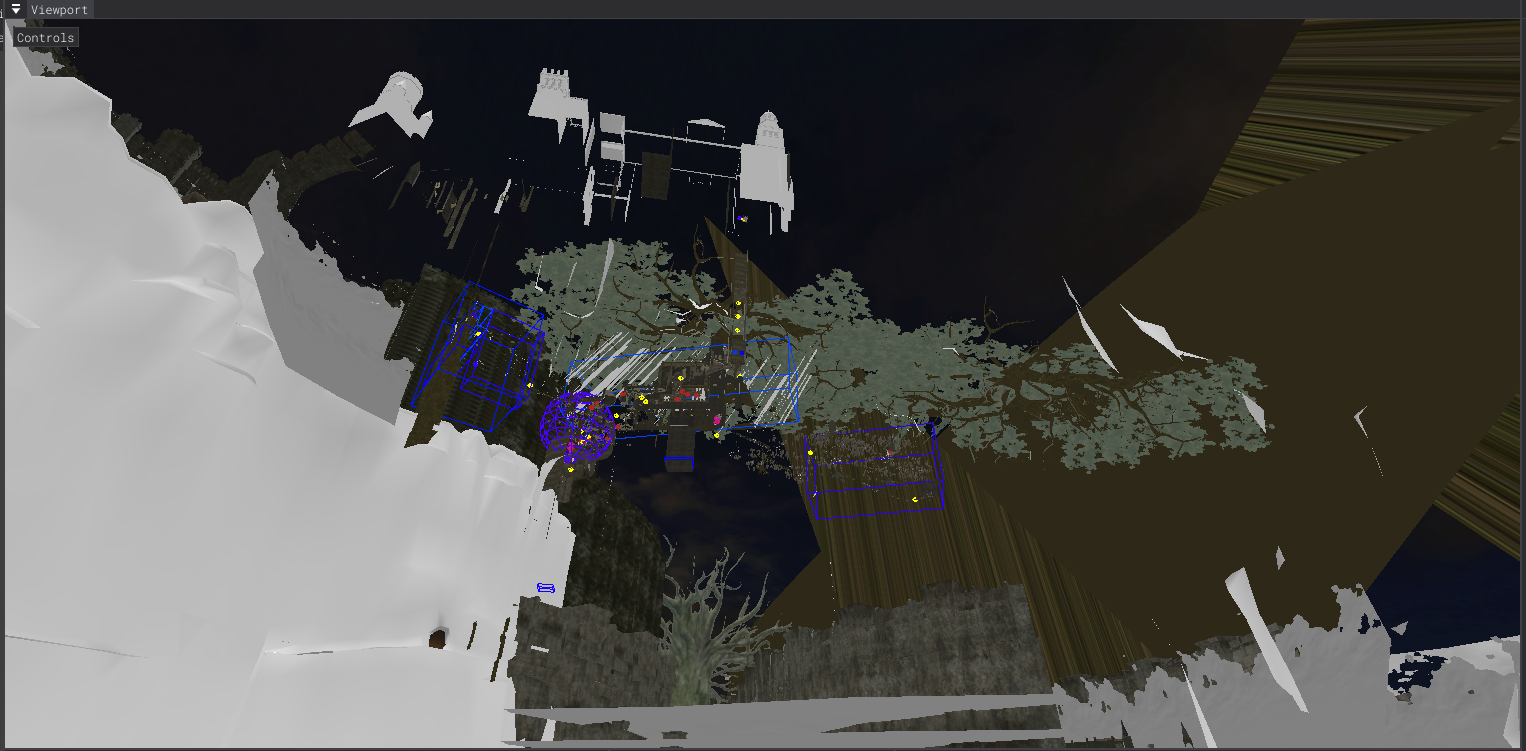
I’ll remove the lightfilter becuase it’s annoying to see through
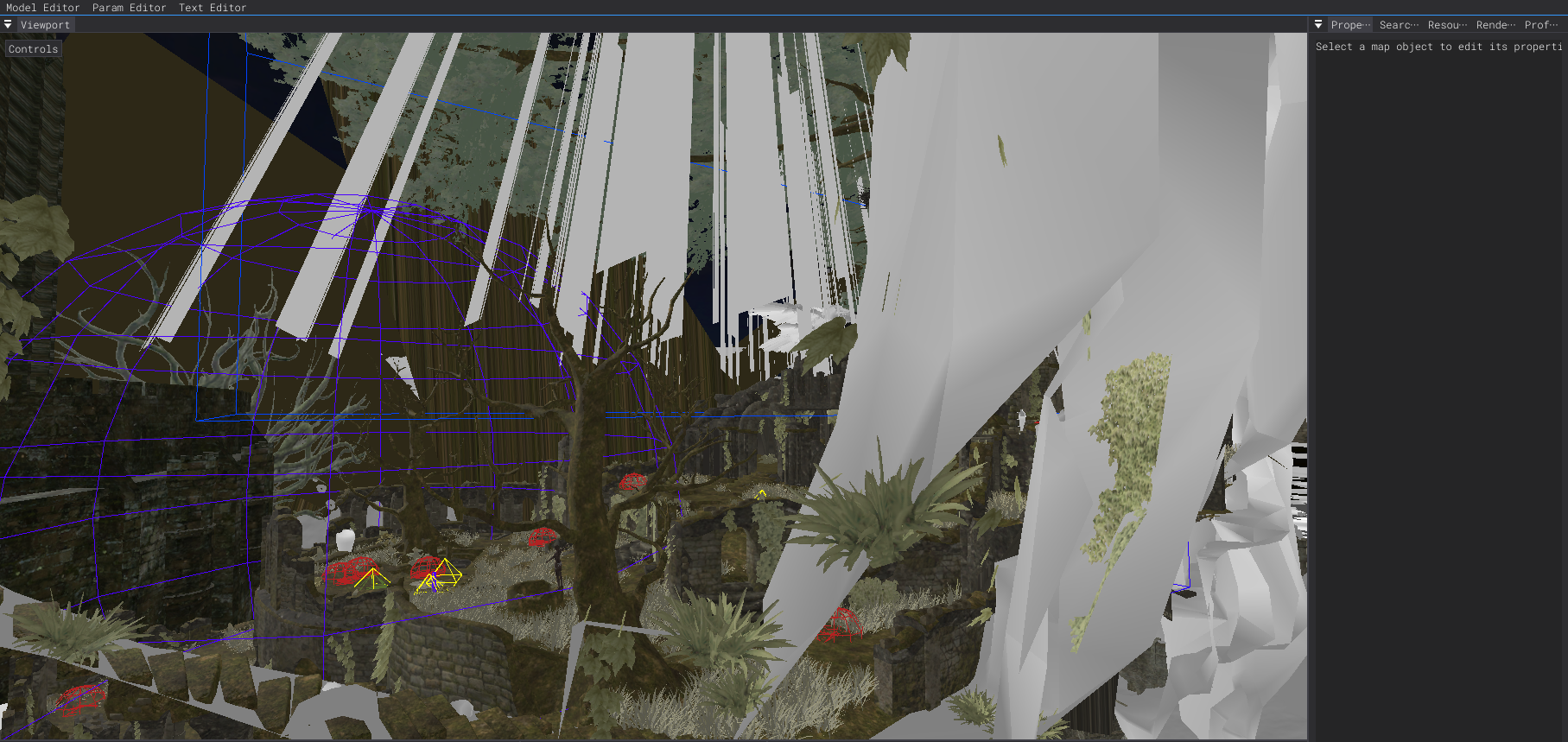
And then we find the dialouge in the current setted mappeice to the position DEX
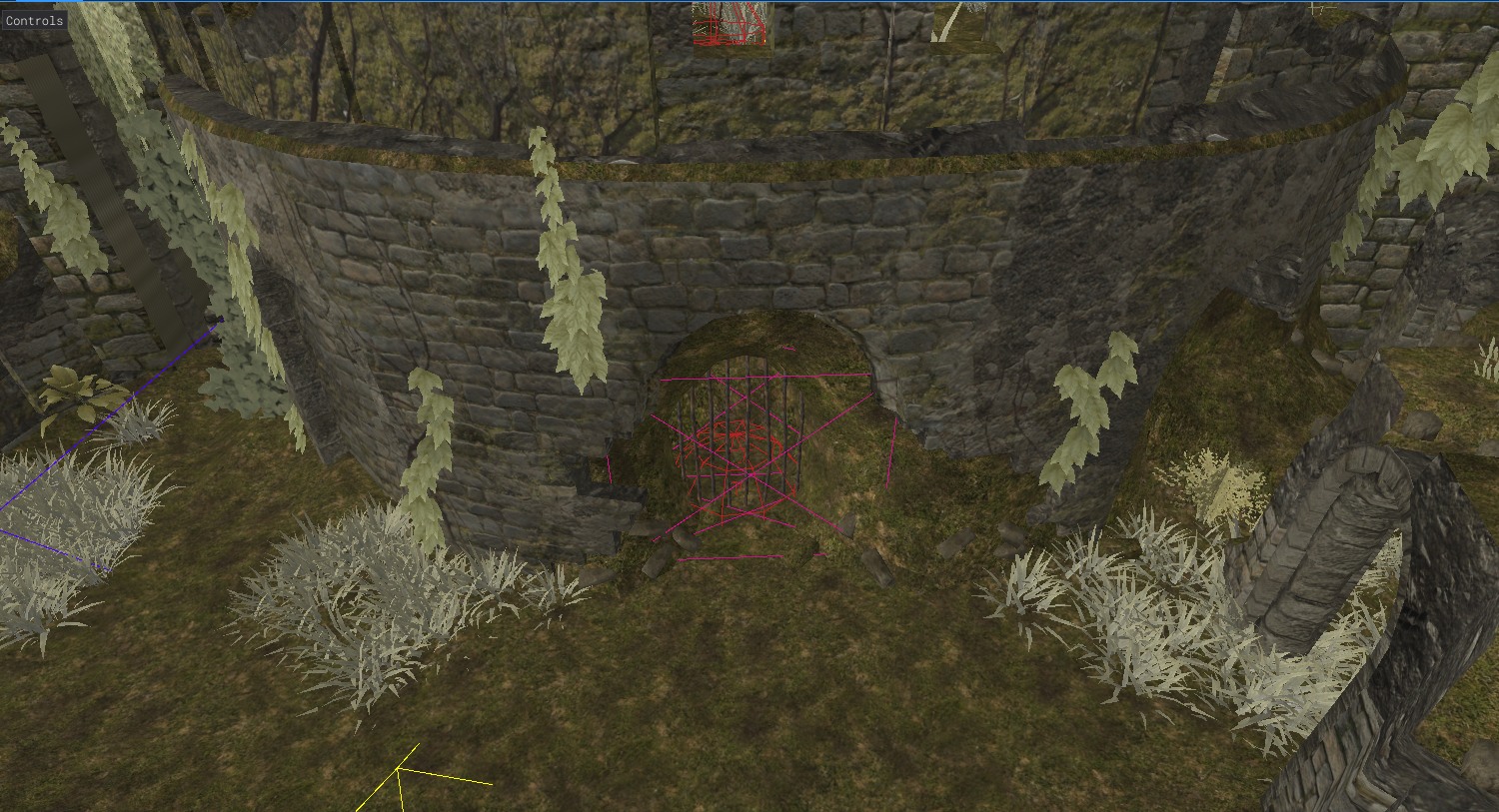
After scrolling and peedking the area we find the model : )
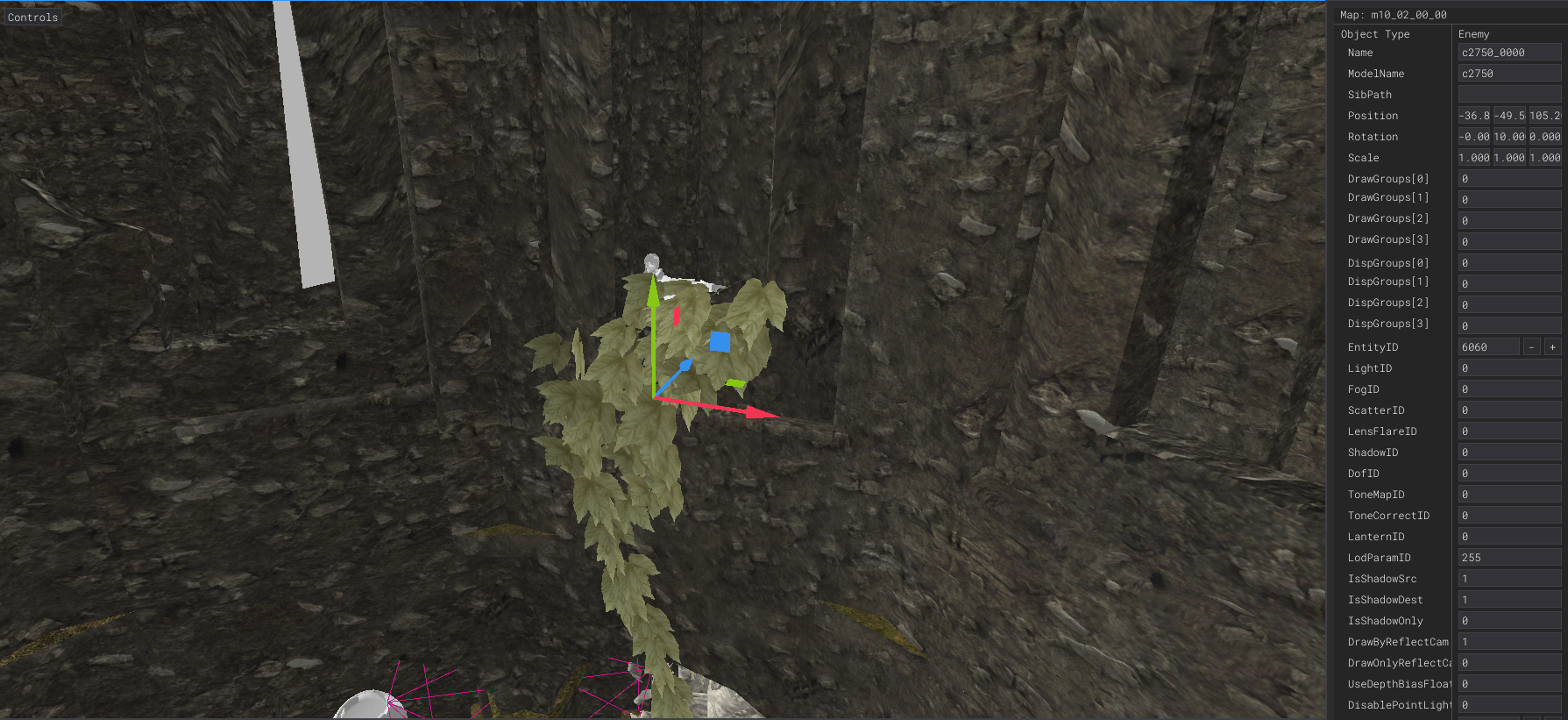
THE VALUES FOR THE MODEL ID AND THE LOCATION ARE THE FLAG BITS
PART-2
Identifying Binary Characteristics
Running the binary:
./rust_vm_poc_mangledResult:
zsh: segmentation fault ./rust_vm_poc_mangledThe binary crashes immediately with a segmentation fault before any visible execution.
File Analysis
file rust_vm_poc_mangledOutput:
rust_vm_poc_mangled: ELF 64-bit LSB pie executable, x86-64, version 1 (SYSV),
statically linked, for GNU/Linux 3.10.0, stripped
Key observations:
- 64-bit ELF executable - Standard Linux binary format
- PIE (Position Independent Executable) - Uses ASLR (Address Space Layout Randomization)
- Statically linked - All dependencies are compiled into the binary (no external shared libraries needed)
- Stripped - Debug symbols removed, making analysis harder
- Built for GNU/Linux 3.10.0 or higher
Strings Analysis
strings rust_vm_poc_mangledCritical Finding - Python C API Symbols:
The binary contains numerous Python C API function references:
PyErr_PrintEx
PyBytes_AsString
PyObject_GetAttr
PyImport_ExecCodeModuleEx
PyUnicode_AsUTF8AndSize
PyModule_Type
PyTuple_New
PyType_GetFlags
PyGILState_Ensure
PyErr_SetRaisedException
Py_InitializeEx
Py_CompileString
PyEval_SaveThread
PyGILState_Release
Py_IsInitialized
Other notable strings:
nix/store/776irwlgfb65a782cxmyk61pck460fs9-glibc-2.40-66/lib/ld-linux-x86-64.so.2
__gmon_start__
_ITM_deregisterTMCloneTable
_ITM_registerTMCloneTable
_Unwind_GetLanguageSpecificData
Now the obvious out of the way , when a binary crashes immediately upon execution, before reaching main(), it often means the problem occurs during the operating system’s loading stage. The OS loader begins by reading the ELF header and then the program headers, which describe how to map the binary’s segments into memory-defining their file offsets, virtual addresses, sizes, and permissions. If these program headers are corrupted, the loader will attempt to create invalid memory mappings, leading to a page fault and an instant segmentation fault. Since this happens before the program even starts executing, normal debugging tools are useless at this stage : (
When you run an executable, the OS loader is invoked first. It looks at the list of program headers in the ELF file. It’s mainly interested in the ones marked PT_LOAD.
Each PT_LOAD header is a simple instruction with four critical parts:
File Offset: Where in the executable file the data starts (e.g., byte 0).

File Size: How much data to take from the file (e.g., 40 kilobytes).

Virtual Address: Where this data should be placed in the process's virtual memory (e.g., at address 0x400000).

Permissions: What the program is allowed to do there (Read, Write, Execute).
A typical binary has at least two PT_LOAD segments:
The Code Segment (.text): Has Read + Execute permissions. The loader maps the part of the file containing machine code here.

The Data Segment (.data, .bss): Has Read + Write permissions. The loader maps the part of the file containing initialized global variables and reserves space for uninitialized ones.
The loader reads these instructions and tells the kernel (via the mmap system call) to set up these memory mappings. The kernel creates the necessary structures to manage this new virtual address space. Only then does the loader transfer control to your program’s entry point.
When analyzing the binary rust_vm_poc_mangled, the first step is to inspect its ELF structure using readelf -h rust_vm_poc_mangled. The output reveals the following critical details:
ELF Header:
  Magic:   7f 45 4c 46 02 01 01 00 00 00 00 00 00 00 00 00
  Class:                             ELF64
  Data:                              2's complement, little endian
  Version:                           1 (current)
  OS/ABI:                            UNIX - System V
  ABI Version:                       0
  Type:                              DYN (Shared object file)
  Machine:                           Advanced Micro Devices X86-64
  Version:                           0x1
  Entry point address:               0xf250
  Start of program headers:          0 (bytes into file)
  Start of section headers:          523080 (bytes into file)
  Flags:                             0x0
  Size of this header:               64 (bytes)
  Size of program headers:           56 (bytes)
  Number of program headers:         14
  Size of section headers:           64 (bytes)
  Number of section headers:         32
  Section header string table index: 31
The suspicious field here is “Start of program headers: 0 (bytes into file)”. In a valid ELF64 binary, the program header table never begins at offset 0 because offset 0 contains the ELF header itself. Typically, the program headers are placed immediately after the ELF header, at offset 64 bytes (0x40). The program header table (e_phoff) tells the OS loader where to find the list of segments to map into memory-such as the code segment, data segment, and dynamic linker information.
When e_phoff is incorrectly set to 0, the loader misinterprets the ELF header as the first program header. Since the ELF header bytes don’t represent valid segment definitions, the loader reads nonsensical values for file offsets, virtual addresses, and permissions. As a result, during the loading process, it attempts to create invalid memory mappings, which immediately triggers a page fault. This leads to an instant segmentation fault before the program’s main() function or any initialization code runs. Because the crash occurs inside the kernel’s loading routine, traditional debuggers like gdb can’t attach in time to catch the fault, leaving the binary apparently “undebuggable.”
Since the loader depends entirely on the program headers to set up the memory space, repairing this field is necessary before further analysis or execution. The fix involves correcting the Program Header Table offset (e_phoff) in the ELF header. For ELF64 files, this value resides at byte offset 0x20 within the file. Using a hex editor, you can navigate to that position and replace the eight bytes representing 0x0000000000000000 with 0x0000000000000040 (the little-endian encoding of decimal 64).
Next step would be to write a solve script for the binary to patch the magic headers
import sys
import os
import struct

def repair_elf_header(filepath):
    """
    Repairs the e_phoff field in a corrupted ELF header.
    """
    # The e_phoff field is at offset 0x20 (32) in a 64-bit ELF file.
    E_PHOFF_OFFSET = 0x20

    # The correct value is 64, since the program headers start
    # right after the 64-byte ELF header.
    CORRECT_VALUE = 64

    try:
        with open(filepath, "r+b") as f:
            # Go to the location of e_phoff
            f.seek(E_PHOFF_OFFSET)

            # Write the correct 64-bit integer value (64) in little-endian format
            f.write(struct.pack('<Q', CORRECT_VALUE))

            print(f"[+] Successfully patched '{filepath}'.")
            print(f"[*] Wrote value {CORRECT_VALUE} to offset {hex(E_PHOFF_OFFSET)}.")

    except Exception as e:
        print(f"[!] An error occurred: {e}")

def main():
    if len(sys.argv) != 2:
        print(f"Usage: python {sys.argv[0]} <path_to_mangled_binary>")
        sys.exit(1)

    filepath = sys.argv[1]
    if not os.path.exists(filepath):
        print(f"[!] File not found: {filepath}")
        sys.exit(1)

    repair_elf_header(filepath)

if __name__ == "__main__":
    main()
Running readelf again gives us
                                                                      21:12:47
ELF Header:
  Magic:   7f 45 4c 46 02 01 01 00 00 00 00 00 00 00 00 00
  Class:                             ELF64
  Data:                              2's complement, little endian
  Version:                           1 (current)
  OS/ABI:                            UNIX - System V
  ABI Version:                       0
  Type:                              DYN (Position-Independent Executable file)
  Machine:                           Advanced Micro Devices X86-64
  Version:                           0x1
  Entry point address:               0xf250
  Start of program headers:          64 (bytes into file)
  Start of section headers:          523080 (bytes into file)
  Flags:                             0x0
  Size of this header:               64 (bytes)
  Size of program headers:           56 (bytes)
  Number of program headers:         14
  Size of section headers:           64 (bytes)
  Number of section headers:         32
  Section header string table index: 31
Now we can start running the binary again , to see it’s true behaviour
./rust_vm_poc
Execution finished.
Ghidra provides a powerful static analysis environment that makes reverse engineering faster and less error prone. Its decompiler translates assembly into readable C-like pseudocode, which greatly speeds up understanding control flow and data manipulation compared to reading raw disassembly. To make reverse engineering even easier for Rust binaries, the GhidRust plugin can be integrated. GhidRust GhidRust GitHub repository is designed specifically for Rust-compiled executables: it can identify Rust binaries, apply function signatures from the Rust standard library to stripped binaries, and assist in decompilation by emitting more readable pseudocode that resembles Rust code
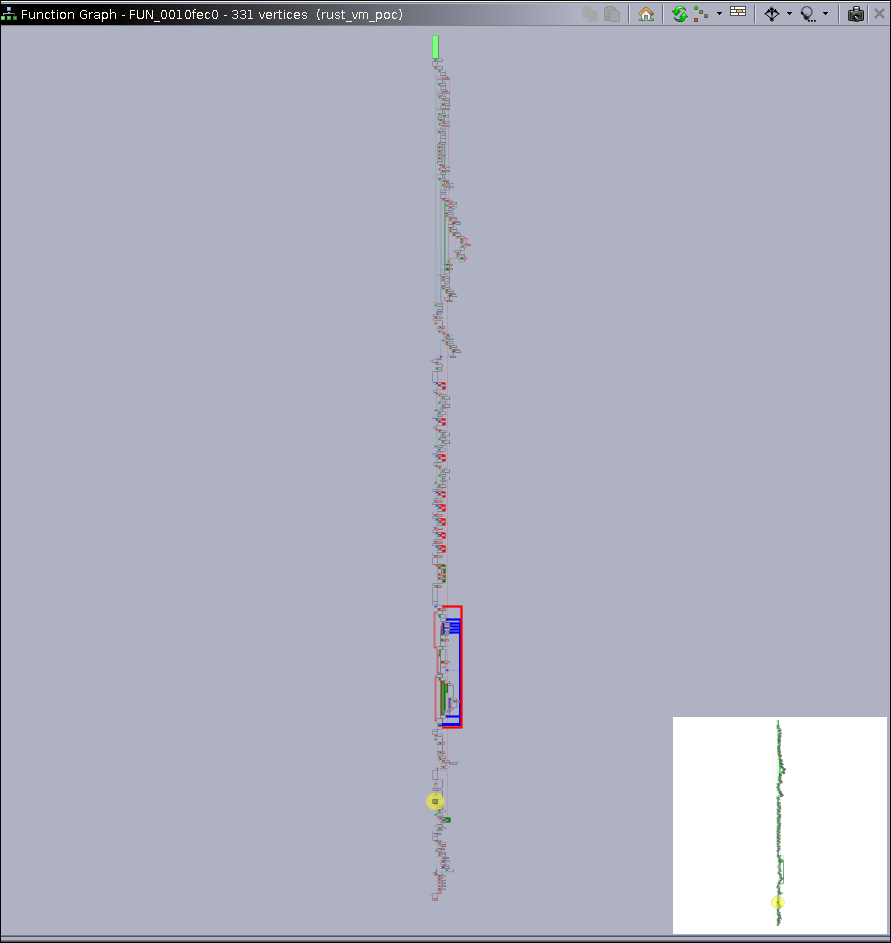
In the entry function we can see that
    0010f26f ff 15 2b        CALL       qword ptr [-><EXTERNAL>::__libc_start_main]      undefined __libc_start_main()
                 fd 06 00                                                                    = 001802d8
So this instruction is the usual way position independent executables call external library functions: the call goes through a GOT entry so the dynamic loader can patch it to the real address.
Also we see a main : ) So thats something , all the functions from the symbol table have been stripped so we manually have to trace back each call ’
Lets take a look at main
/* WARNING: Type propagation algorithm not settling */
/* WARNING: Globals starting with '_' overlap smaller symbols at the same address */

undefined8 FUN_001125b0(undefined8 param_1,undefined8 param_2)

{
  uint uVar1;
  void *pvVar2;
  int *piVar3;
  long lVar4;
  int iVar5;
  pollfd *ppVar6;
  __sighandler_t p_Var7;
  ulong uVar8;
  pthread_t __th;
  long lVar9;
  undefined4 *puVar10;
  long lVar11;
  int *piVar12;
  int *piVar13;
  undefined8 uVar14;
  ulong uVar15;
  undefined **ppuVar16;
  int *piVar17;
  pollfd *__fds;
  code *pcVar18;
  long in_FS_OFFSET;
  bool bVar19;
  int local_118;
  int local_114;
  void *local_110;
  pthread_attr_t local_108;
  ulong uStack_d0;
  ulong local_c8;
  ulong uStack_c0;
  ulong local_b8;
  ulong uStack_b0;
  ulong local_a8;
  ulong uStack_a0;
  ulong local_98;
  ulong uStack_90;
  ulong local_88;
  undefined8 uStack_80;
  _func_5327 *local_78;
  size_t local_68;
  undefined8 local_60 [6];

  piVar17 = &local_118;
  local_108.__align._0_4_ = 0;
  local_108.__align._4_2_ = 0;
  local_108.__align._6_2_ = 0;
  local_108._8_8_ = 1;
  local_108._16_8_ = 2;
  __fds = (pollfd *)&local_108;
  pcVar18 = poll;
  do {
    iVar5 = poll(__fds,3,0);
    if (iVar5 != -1) {
      if ((((local_108.__align & 0x20000000000000U) != 0) &&
          (iVar5 = open64("/dev/null",2,0), iVar5 == -1)) ||
         (((local_108._8_8_ & 0x20000000000000) != 0 &&
          (iVar5 = open64("/dev/null",2,0), iVar5 == -1)))) goto LAB_00112b18;
      ppVar6 = __fds;
      if ((local_108._16_8_ & 0x20000000000000) != 0) goto LAB_00112711;
      goto LAB_00112730;
    }
    ppVar6 = (pollfd *)__errno_location();
    uVar1 = ppVar6->fd;
  } while (uVar1 == 4);
  if ((((0x16 < uVar1) || ((0x401800U >> (uVar1 & 0x1f) & 1) == 0)) ||
      ((iVar5 = fcntl(0,1), iVar5 == -1 &&
       ((ppVar6->fd == 9 && (iVar5 = open64("/dev/null",2,0), iVar5 == -1)))))) ||
     ((iVar5 = fcntl(1,1), iVar5 == -1 &&
      ((ppVar6->fd == 9 && (iVar5 = open64("/dev/null",2,0), iVar5 == -1)))))) {
LAB_00112b18:
                    /* WARNING: Subroutine does not return */
    abort();
  }
  iVar5 = fcntl(2,1);
  if ((iVar5 == -1) && (__fds = ppVar6, ppVar6->fd == 9)) {
LAB_00112711:
    iVar5 = open64("/dev/null",2,0);
    ppVar6 = __fds;
    if (iVar5 == -1) goto LAB_00112b18;
  }
LAB_00112730:
  p_Var7 = signal(0xd,(__sighandler_t)&DAT_00000001);
  if (p_Var7 == (__sighandler_t)0xffffffffffffffff) {
    local_108.__align = (long)&PTR_DAT_0017e2f0;
    local_108._8_8_ = 1;
    local_108._16_8_ = 8;
    local_108._24_8_ = 0;
    local_108._32_8_ = 0;
    uVar14 = FUN_00136cf0(local_60,&local_108);
    FUN_00133cc0(uVar14);
    FUN_0010e5a0();
LAB_00112aa3:
    local_60[0] = CONCAT71(local_60[0]._1_7_,1);
    local_108.__align = (long)local_60;
    FUN_0010df40(&DAT_0017fa08,0,&local_108,&DAT_0017d4e0,&PTR_s_library/std/src/rt.rs_0017d4b8);
LAB_00112a10:
    piVar12 = __errno_location();
    piVar13 = (int *)0x0;
    LOCK();
    bVar19 = DAT_0017fad8 == (int *)0x0;
    piVar3 = piVar12;
    if (!bVar19) {
      piVar13 = DAT_0017fad8;
      piVar3 = DAT_0017fad8;
    }
    DAT_0017fad8 = piVar3;
    UNLOCK();
    if (bVar19) {
      return 0;
    }
    if (piVar13 != piVar12) {
      do {
        pause();
      } while( true );
    }
    FUN_00107710("std::process::exit called re-entrantly");
LAB_00112aea:
    ppuVar16 = &PTR_s_library/std/src/sys/pal/unix/sta_0017e150;
  }
  else {
    uVar8 = sysconf(0x1e);
    local_108._32_8_ = 0;
    local_108._40_8_ = 0;
    local_108._16_8_ = 0;
    local_108._24_8_ = 0;
    local_108.__align._0_4_ = 0;
    local_108.__align._4_2_ = 0;
    local_108.__align._6_2_ = 0;
    local_108._8_8_ = 0;
    local_108._48_8_ = 0;
    DAT_0017faf0 = uVar8;
    __th = pthread_self();
    iVar5 = pthread_getattr_np(__th,&local_108);
    bVar19 = iVar5 == 0;
    if (!bVar19) {
LAB_00112832:
      local_88 = 0;
      uStack_80._0_4_ = 0;
      uStack_80._4_4_ = 0;
      local_98 = 0;
      uStack_90 = 0;
      local_a8 = 0;
      uStack_a0 = 0;
      local_b8 = 0;
      uStack_b0 = 0;
      local_c8 = 0;
      uStack_c0 = 0;
      local_108._48_8_ = 0;
      uStack_d0 = 0;
      local_108._32_8_ = 0;
      local_108._40_8_ = 0;
      local_108._16_8_ = 0;
      local_108._24_8_ = 0;
      local_108.__align._0_4_ = 0;
      local_108.__align._4_2_ = 0;
      local_108.__align._6_2_ = 0;
      local_108._8_8_ = 0;
      local_78 = (_func_5327 *)0x0;
      sigaction(0xb,(sigaction *)0x0,(sigaction *)&local_108);
      if ((pollfd)local_108.__align == (pollfd)0x0) {
        if (DAT_0017fb00 == '\0') {
          DAT_0017fb00 = '\x01';
                    /* try { // try from 001128a0 to 00112986 has its CatchHandler @ 00112b44 */
          DAT_0017faf8 = FUN_0014f930();
          if (iVar5 == 0) {
            puVar10 = (undefined4 *)malloc(4);
            if (puVar10 == (undefined4 *)0x0) goto LAB_00112b2c;
            *puVar10 = 0x6e69616d;
            FUN_00134b20(pcVar18,ppVar6,puVar10);
          }
          bVar19 = false;
        }
        uStack_80._0_4_ = 0x8000004;
        local_108.__align = (long)FUN_0014fb00;
        sigaction(0xb,(sigaction *)&local_108,(sigaction *)0x0);
      }
      sigaction(7,(sigaction *)0x0,(sigaction *)&local_108);
      if ((pollfd)local_108.__align == (pollfd)0x0) {
        if (DAT_0017fb00 == '\0') {
          DAT_0017fb00 = '\x01';
          DAT_0017faf8 = FUN_0014f930();
          if (bVar19) {
            puVar10 = (undefined4 *)malloc(4);
            if (puVar10 == (undefined4 *)0x0) {
LAB_00112b2c:
                    /* WARNING: Subroutine does not return */
              FUN_00107193(1,4,&PTR_s_/build/rustc-1.89.0-src/library/_0017df00);
            }
            *puVar10 = 0x6e69616d;
            FUN_00134b20(pcVar18,ppVar6,puVar10);
          }
        }
        uStack_80._0_4_ = 0x8000004;
        local_108.__align = (long)FUN_0014fb00;
        sigaction(7,(sigaction *)&local_108,(sigaction *)0x0);
        lVar9 = *(long *)(in_FS_OFFSET + -8);
        lVar11 = DAT_0017fb08;
      }
      else {
        lVar9 = *(long *)(in_FS_OFFSET + -8);
        lVar11 = DAT_0017fb08;
      }
      _DAT_0017fa58 = param_2;
      DAT_0017fb08 = lVar11;
      if (lVar9 == 0) {
        do {
          if (lVar11 == -1) {
                    /* try { // try from 00112a54 to 00112b41 has its CatchHandler @ 00112b44 */
            FUN_0010e5c0();
            goto LAB_00112b42;
          }
          lVar9 = lVar11 + 1;
          LOCK();
          bVar19 = lVar11 != DAT_0017fb08;
          lVar4 = lVar9;
          if (bVar19) {
            lVar11 = DAT_0017fb08;
            lVar4 = DAT_0017fb08;
          }
          DAT_0017fb08 = lVar4;
          UNLOCK();
        } while (bVar19);
        *(long *)(in_FS_OFFSET + -8) = lVar9;
      }
      DAT_0017fac0 = lVar9;
      FUN_0010f340(FUN_0010fec0);
      if (DAT_0017fa08 != 3) goto LAB_00112aa3;
      goto LAB_00112a10;
    }
    local_110 = (void *)0x0;
    local_68 = 0;
    local_118 = pthread_attr_getstack(&local_108,&local_110,&local_68);
    pvVar2 = local_110;
    if (local_118 != 0) goto LAB_00112aea;
    local_114 = pthread_attr_destroy(&local_108);
    if (local_114 == 0) {
      if (uVar8 == 0) {
        FUN_001079d0(&PTR_s_library/std/src/sys/pal/unix/sta_0017e168);
        goto LAB_00112b42;
      }
      if (((ulong)pvVar2 | uVar8) >> 0x20 == 0) {
        uVar15 = ((ulong)pvVar2 & 0xffffffff) % (uVar8 & 0xffffffff);
      }
      else {
        uVar15 = (ulong)pvVar2 % uVar8;
      }
      lVar9 = uVar8 - uVar15;
      if (uVar15 == 0) {
        lVar9 = 0;
      }
      ppVar6 = (pollfd *)((long)pvVar2 + lVar9);
      pcVar18 = (code *)((long)ppVar6 - uVar8);
      goto LAB_00112832;
    }
    ppuVar16 = &PTR_s_library/std/src/sys/pal/unix/sta_0017e138;
    piVar17 = &local_114;
  }
  local_60[0] = 0;
  FUN_0010e47f(piVar17,local_60,ppuVar16);
LAB_00112b42:
                    /* WARNING: Does not return */
  pcVar18 = (code *)invalidInstructionException();
  (*pcVar18)();
}
This decompiled function is the program startup/initializer, not the user main. The pseudocode shows classic runtime and platform setup: it calls poll/fcntl/open64 to check/initialize file descriptors, installs signal handlers (sigaction / signal), calls sysconf and pthread_getattr_np to query thread and stack info, initializes libc/Rust runtime structures, sets up thread-local data, and invokes runtime callbacks (functions like FUN_0010f340, FUN_0010fec0, FUN_0010e5c0, etc.). The many DAT_00… globals are runtime state and library pointers (e.g., pointers to Rust std internals). Warnings like Type propagation algorithm not settling and the undefined8 return type are Ghidra’s decompiler telling you it could not precisely infer high-level types common in compiler-optimized startup code : (
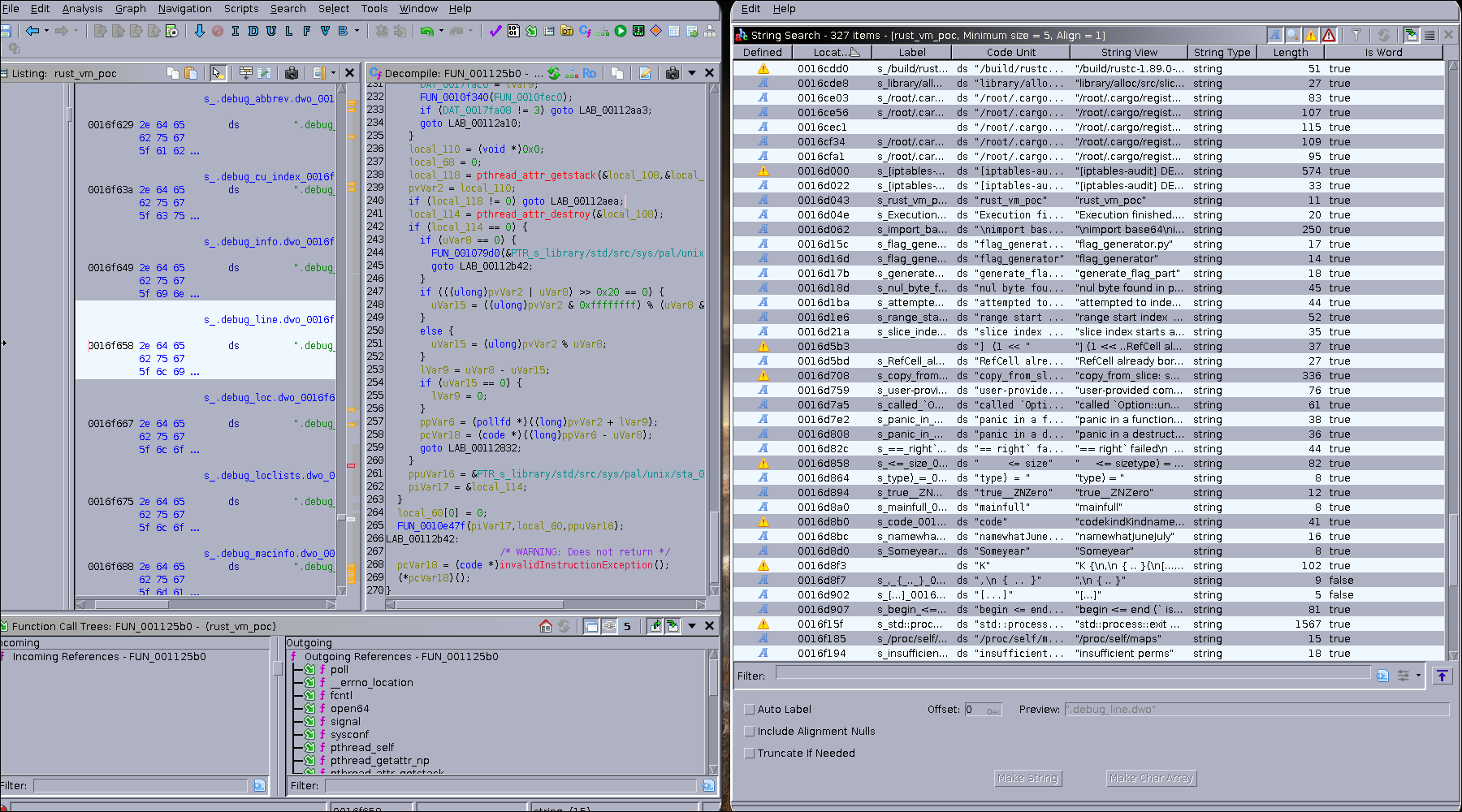
Another useful step in reverse engineering, especially when the decompiled code looks noisy or unclear, is to inspect the strings embedded in the binary. Strings often reveal crucial hints about program logic, such as messages printed to the console, function names, file paths, or even the flag format
Looking at the strings we see a hint to the flag
Lets move onto the looking at the flag functions .
We see a function that has something called flag_generator and in the huge dissass we see PTR_s_Execution_finished._0017baf8 . So this might be the main logic handling of the binary .
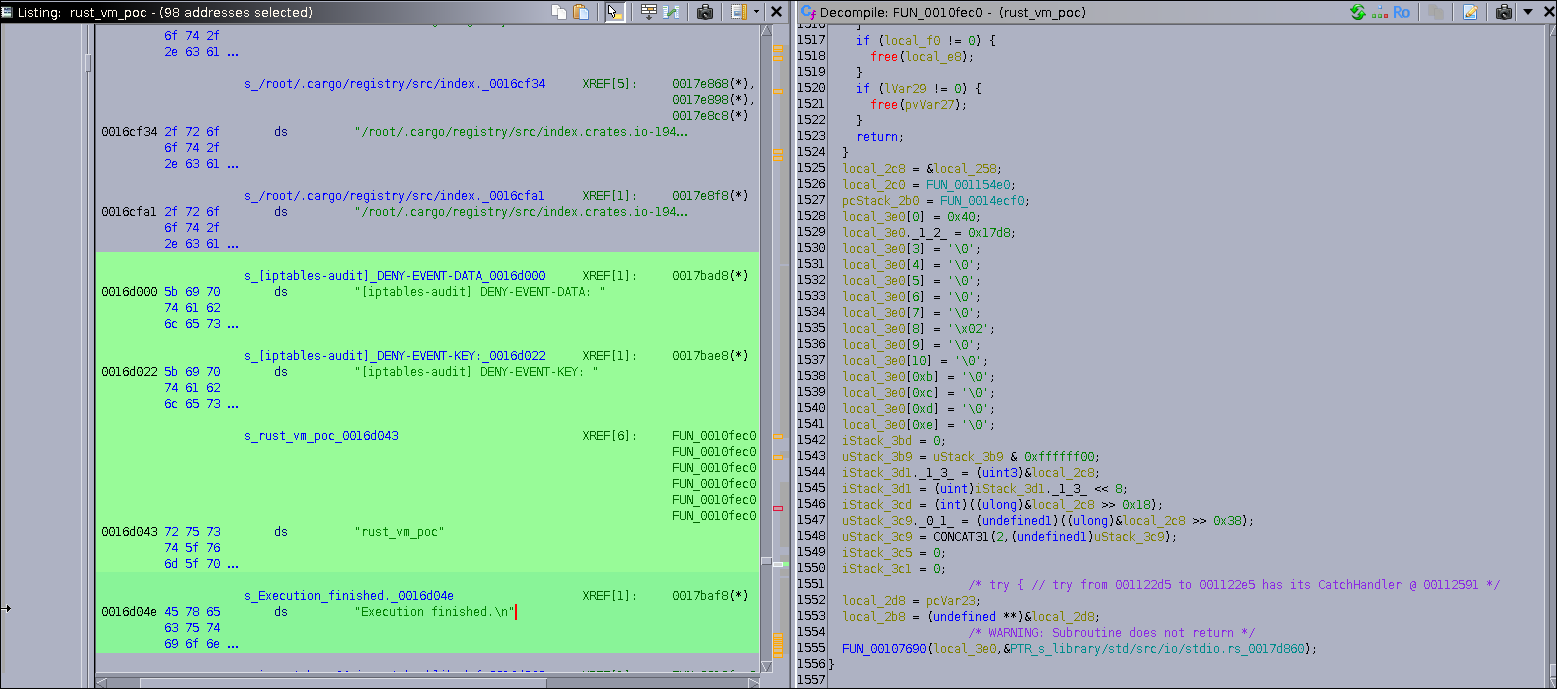
ALsooo investigating the huge dump we find , a function call to FUN_00113590 included a long embedded string containing a complete Python script. The script defines a function named generate_flag_part(seed), which takes an integer seed, converts it to bytes, computes its SHA-256 hash, and returns the first eight hexadecimal characters of the resulting digest. This pattern suggests that the binary relies on Python code execution to dynamically produce a portion of the final flag
  FUN_00113590(&local_248,
               "\nimport base64\nimport hashlib\n\ndef generate_flag_part(seed: int) -> str:\n \n   \n    seed_bytes = str(seed).encode(\'utf-8\')\n    hashed_seed = hashlib.sha256(seed _bytes).hexdigest()\n    \n   \n    flag_part = hashed_seed[:8]\n    \n    \n    retu rn flag_part"
               ,0xfa);
Investigating more through this huge rust dump we get ,
                             s_[iptables-audit]_DENY-EVENT-DATA_0016d000     XREF[1]:     0017bad8(*)
        0016d000 5b 69 70        ds         "[iptables-audit] DENY-EVENT-DATA: "
                 74 61 62
                 6c 65 73
                             s_[iptables-audit]_DENY-EVENT-KEY:_0016d022     XREF[1]:     0017bae8(*)
        0016d022 5b 69 70        ds         "[iptables-audit] DENY-EVENT-KEY: "
                 74 61 62
                 6c 65 73
                             s_rust_vm_poc_0016d043                          XREF[6]:     FUN_0010fec0:00111b3e(*),
                                                                                          FUN_0010fec0:00111b45(*),
                                                                                          FUN_0010fec0:00111b8e(*),
                                                                                          FUN_0010fec0:00111c24(*),
                                                                                          FUN_0010fec0:00111c2b(*),
                                                                                          FUN_0010fec0:00111c74(*)
        0016d043 72 75 73        ds         "rust_vm_poc"
                 74 5f 76
                 6d 5f 70
                             s_Execution_finished._0016d04e                  XREF[1]:     0017baf8(*)
        0016d04e 45 78 65        ds         "Execution finished.\n"
                 63 75 74
69 6f 6e 
The “[iptables-audit] DENY-EVENT-DATA: ” string is part of a static message table that FUN_0010fec0 uses to log results. Because the same codebase embeds a Python snippet that computes generate_flag_part(seed) and also contains the “Execution finished.” message, the evidence indicates the program executes the Python/VM code and then logs its output using these prefixes. By tracing references from the pointer table into FUN_0010fec0 and inspecting the buffer written by the Python runner (the &local_248 passed to FUN_00113590), we can capture the generated segments and reconstruct the full flag also :) it provides the keyword, iptables-audit, needed to find the messages. Second, the presence of separate DATA and KEY fields is a massive hint that the flag is encrypted
Lets turn to analysing the system logs now .
journalctl is a command-line utility used on Linux systems that use systemd. It reads and displays logs that are collected by the systemd journal, which is the central logging system for systemd-managed systems.
Unlike traditional text logs (/var/log/syslog, /var/log/messages), the journal stores logs in a binary format, allowing structured queries, filtering, and metadata access. It includes not only messages from the kernel and services, but also stdout/stderr of systemd services

import base64
import binascii


encrypted_data_hex = "722e7e207155"
key_hex = "aff543c352c2"

# Decode, XOR, and Base64-encode
encrypted_data = binascii.unhexlify(encrypted_data_hex)
key = binascii.unhexlify(key_hex)
decrypted_data = bytes([d ^ k for d, k in zip(encrypted_data, key)])
flag = base64.b64encode(decrypted_data)

print(f"Flag: {flag.decode('utf-8')}")
Flag: 3ds94yOX
PART-3
Step 1: Inspect the Hint File
The first file to examine is hi.pskx. Using basic tools like strings or grep, unusual sequences can be found. Searching for Base64-like strings reveals a hidden message:
grep -a -oE '[A-Za-z0-9+/=]{12,}' hi.pskx | head -n1 | base64 -dDecoded, this produces:
Bones align not for anatomyThis isn’t the final answer. Instead, it guides you to look at bones or root nodes in the Blender file to ultimately derive the archive password.
Step 2: Repair the Blender File Header (First 8 Bytes)
The corrupted Blender or .pskx file cannot open because the first 8 bytes are broken, which contain the magic number and version. Players must repair this to continue.
Solution:
- Backup the broken file:
cp broken.blend broken.blend.bak-
Obtain a reference file (
ref.blend) from the same Blender version or exporter. -
Replace only the first 8 bytes using a hex editor or command-line tool:
# Replace the first 8 bytes
dd if=ref.blend of=broken.blend bs=1 count=8 conv=notrunc
bs=1 count=8→ only the first 8 bytes are replacedconv=notrunc→ keeps the rest of the file intact
- Verify the file opens in Blender. The rest of the file remains untouched, allowing you to continue.
Fixing the first 8 bytes restores the file’s magic number and version, enabling inspection of root nodes to derive the next clue.
Step 3: Extract Root Node Values
Once the Blender file opens, examine root nodes or bones, which contain numeric values forming the zip password. This can be done inside Blender or with a headless Python snippet:
blender --background repaired.blend --python-expr "
import bpy, json
objs={}
for o in bpy.data.objects:
  props={}
  try:
    for k in o.keys():
      if k!='_RNA_UI': props[k]=o[k]
  except Exception:
    pass
  if props: objs[o.name]=props
print(json.dumps(objs))
"
Inspect the output for root node values. These numbers are combined to form the zip password, e.g., 498.
Step 4: Unlock the Encrypted Archive
Use the password obtained from the root nodes to extract the hidden stego image from the archive:
7z x challenge.7z -p498Output:
Everything is Ok
Size:       5855446
Compressed: 5693434
We now have lunee.jpg.
Step 2: Analyze lunee.jpg
Let’s check if there’s anything hidden in this image using steghide:
steghide info lunee.jpgOutput:
"lunee.jpg":
  format: jpeg
  capacity: 346.5 KB
Try to get information about embedded data ? (y/n) y
Enter passphrase:
  embedded file "s3cret.jpg":
    size: 64.5 KB
    encrypted: rijndael-128, cbc
    compressed: yes
Perfect! There’s another file hidden inside. Let’s extract it:
steghide extract -sf lunee.jpgPress Enter when prompted for the passphrase (no password needed).
Output:
wrote extracted data to "s3cret.jpg".Step 3: Extract from s3cret.jpg
Now we have another image. Let’s check if this one also contains hidden data:
steghide info s3cret.jpgIt does! Let’s extract it:
steghide extract -sf s3cret.jpgAgain, press Enter for no password.
Output:
wrote extracted data to "flag.txt".Step 4: Get the Flag
cat flag.txtFlag: Cl41r3_3xp3d33 4sh3n_B0n3s33
Solution Summary
# Full solution one-liner
7z x challenge.7z -p498 && \
steghide extract -sf lunee.jpg -p "" && \
steghide extract -sf s3cret.jpg -p "" && \
cat flag.txt
part 1
c275036.89749.549105.207
part2
3ds94yOX
part3
Cl41r3_3xp3d33 4sh3n_B0n3s33
The flag format is :

ctf{PART1_PART2_PART3}kernel